
Boston College Tours and What Students Can Expect From Campus Visits
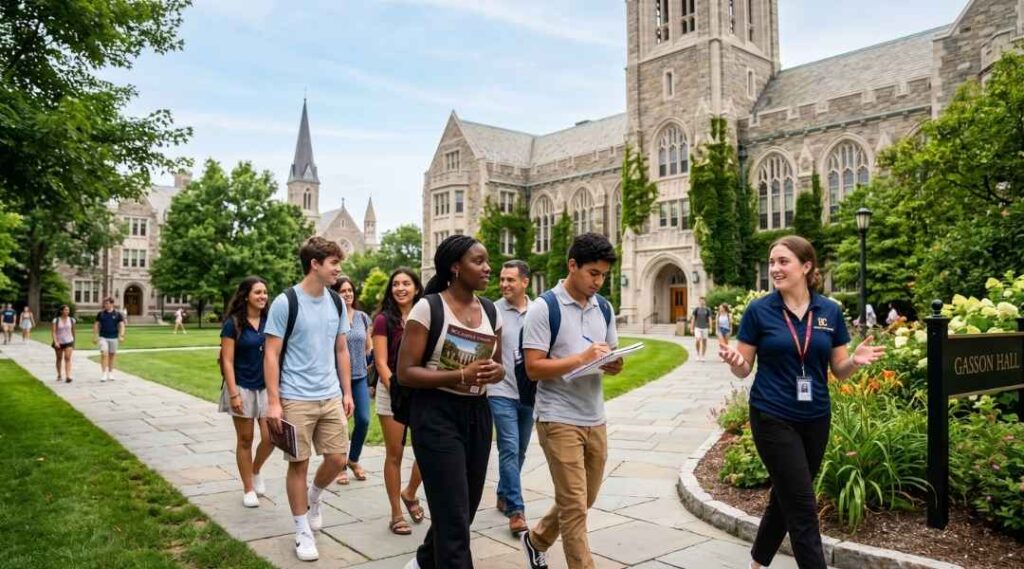
Selecting a college is a huge education-related choice and going to college can help students determine whether it’s a college where they can pursue their educational objectives. Boston College tours offer prospective students a chance to learn about the university community, experience academic life and first-hand understand what it’s like to be in the student body.
Visiting campus can also be educational via high school students, teachers, counselors and college access programs. A well-organized Boston College campus tour allows students to tie information from the college’s websites and brochures with the authentic academic and environmental context of the institution.
Table of Contents
What Are Boston College Tours?
Boston College tours provide prospective students and visitors the opportunity to gain an introduction to the University campus, academic community, student life and community. There are numerous opportunities for students to discover the campus, from visiting in person, to experiencing authentic campus experiences, to using audio tours, to programs that offer visitors a deeper understanding of student life.
One of the great in-person options is the Eagle Eye Campus Visit. According to Boston College, the event involves an informative and student-led external campus tour and typically lasts about two hours. A hands-on experience provides an opportunity for the visitor to ask questions about education, living on campus, student life in Boston, and career opportunities.
This will make a college campus visit more than just a stroll through University halls. The experience will enable pupils to assess the learning, social and personal development opportunities provided by an institution.
Why Should Students Take a Boston College Campus Tour?
While the internet offers information, college websites can’t always give a student an idea of what it’s going to be like to study and live in a certain subject. On a Boston College campus tour, prospective students can see the environment in which they might learn.
Students can develop a deeper insight during their visit to:
- The size and layout of the campus
- Academic buildings and learning spaces
- Student facilities
- Campus culture
- Residential life
- Community activities
- Transportation and the surrounding area
- Opportunities for student involvement
Exposure to them, in reality, can enable the students to think beyond the assumptions and pose more significant questions regarding their future learning.
For teachers, this is a helpful resource in getting ready for college on the campus. Students can make comparisons between what they see and their own learning interests, learning styles and future objectives.
The Eagle Eye Campus Visit Experience
One of the best ways for prospective undergraduate students to get a first-hand feel for Boston College is by attending a campus visit with the Eagle Eye.
This program is a combination of an information session and a guided classroom tour. Current students are also an important part and visitors can hear what others are saying that have a first-hand experience of studying and involved in the University life.
Boston College hopes these tours will give prospective students a chance to have honest, open dialogue with current students about things like class, living in Boston, career education, and more.
This student perspective can be particularly valuable because the questions students will face are often questions that are not fully answered by admissions assessments or program descriptions.
Questions Students Can Ask During the Tour
Students should prepare questions before arriving on campus. Useful questions may include:
- What is the typical academic workload like?
- How accessible are professors outside the classroom?
- What academic support services are available?
- How do students choose extracurricular activities?
- What is residential life like?
- How do students spend their time outside class?
- What opportunities exist for service and community involvement?
- How do students travel between campus and the wider Boston area?
Questions preparation makes students active participants and not visitors.
Boston College Virtual Tour Options
It’s not always feasible to attend a university course. A virtual tour of Boston College can give students who live far away or who aren’t able to come to campus another way to explore the campus.
Boston College provides a virtual campus with over 65 stations, photo booths, videos, panoramic images, and student views. These resources enable students to familiarize themselves with the university in various perspectives and get to know about its facilities and the student experience.
A virtual experience can be especially useful in the early stages of a college search.
Students can use the Boston College virtual tour to:
- Become familiar with the campus before an in-person visit
- Compare Boston College with other universities
- Explore major campus locations
- Learn about student perspectives
- Identify questions for admissions representatives
- Include campus research in college planning activities
Teachers and counsellors can also use virtual campus resources in college preparation lessons when organising physical visits is difficult.
Exploring Boston College Through an Audio or Video Tour
Different students learn in different ways. Some may benefit from reading university information, while others may learn more effectively through visual or audio experiences.
Boston College offers other ways to explore campus, including audio tours and student-led video tours of campus. The class audio experience highlights facilities and points of interest on the Chestnut Hill Campus, while a video tour gives viewers a taste of campus buildings, history and student life.
These resources can help students continue their research after an in-person visit.
For example, a student may visit campus, take notes on classes, and then use digital markers to revisit areas or learn more about areas they didn’t have time to explore.
Group Visits and College Tours for High School Students
Campus visits can also be valuable educational activities for schools and college access organisations. College tours for high school students allow learners to explore higher education options as a group while discussing college planning with teachers and counsellors.
Boston College provides visit opportunities for groups of eligible college-bound high school students and college access or readiness organisations. According to university data, group tours can include an informational and classroom tour, with advance registration.
Trips may be planned as a way to enhance the learning objectives of a group of teachers and/or school administrators.
Educational Benefits of a Group Campus Visit
A group visit can encourage students to:
- Think seriously about higher education
- Ask questions about university expectations
- Explore different academic environments
- Discuss career and programme interests
- Learn about the college application process
- Develop confidence about visiting universities
- Compare institutions based on academic priorities
Travel can offer greater insight into higher education and its possibilities to many students, particularly those who have limited experiences on the university campus.
How Teachers Can Prepare Students for a Boston College Visit
The key to a successful Boston College admissions visit starts before students come to campus.
Faculty and advisors can also remind and prompt students to not only apply to the university but to consider what they hope to gain from the experience. The trip doesn’t have to be a trip, it can be an academic research exercise.
1. Research Academic Interests
Students should begin by considering their possible academic interests.
They may research:
- Undergraduate programmes
- Academic departments
- Research opportunities
- Study requirements
- Experiential learning
- Student support services
Students do not need to know their final major before visiting. However, having general academic interests can help them ask more focused questions.
2. Create a Question List
Before the visit, students can prepare a short list of questions.
Teachers may divide questions into categories such as:
- Academics
- Campus life
- Housing
- Student organisations
- Career preparation
- Admissions
This structure helps students gather information that can later be compared with information from other colleges.
3. Encourage Observation
Students should pay attention to more than famous buildings or popular campus locations.
They can observe:
- Where students study
- How students interact
- The availability of common spaces
- The atmosphere around academic buildings
- The overall size and layout of the campus
These kinds of observations can assist students to evaluate if the learning environment is similar to their learning style.
What Should Students Look for During a College Campus Visit?
An important question students should be able to answer after a college visit is can I imagine myself learning and growing in this environment?
Each student’s answer will be unique. People have different preferences and opinions about what makes a good university.
Students should therefore evaluate several areas.
Academic Environment
Students should reflect on the academic atmosphere and whether it is conducive to their interests and learning style. Questions may include:
- Are the academic facilities appropriate for my interests?
- What learning opportunities appear to be available?
- Does the campus environment feel academically engaging?
- Are there spaces for independent and collaborative study?
Student Community
Pupils should also be aware of the broader pupils’ experiences.
A campus tour, conducted by students, can offer valuable information regarding how students make friends, engage in activities, and manage other interests, as well as schoolwork.
Location and Daily Life
A student’s experience at the university may be affected by the location of the university.
Students may want to think about:
- Access to transportation
- The surrounding community
- Travel between home and campus
- Opportunities available in the wider city
- The balance between campus-based and city-based life
Considering these practical factors can help students make a more informed college decision.
Going Beyond the First Tour Experience
A first campus visit provides an introduction, but some students may want a more detailed understanding of university life.
Boston College offers you the Eagle for a Day program as an opportunity for prospective students to experience a more personalized and productive life at the university. The program is designed for students who are serious about the Boston College experience, especially after being introduced to the campus through their first visit.
An experience like this presents an important lesson for future students: the college search doesn’t have to end after one trip.
Students can continue learning by:
- Attending virtual programmes
- Speaking with current students
- Reviewing academic departments
- Comparing colleges
- Exploring admissions information
- Participating in additional visit opportunities
The more thoughtfully students research their options, the better prepared they may be to make a decision based on academic and personal priorities.
How Boston College Tours Support College Readiness
Boston College tours can be a factor in college readiness by bridging the gap between aspirations and real classrooms.
College preparation does more than just mean good grades and applications. It’s also about realizing what students require from university and how to assess educational opportunities.
A campus visit can help students practise important skills, including:
- Asking informed questions
- Conducting research
- Comparing institutions
- Reflecting on personal goals
- Communicating with university representatives
- Making evidence-based decisions
These are useful for the entire college search.
A campus tour can then be an extension of a research and decision making lesson for educators.
Using Campus Visits as an Educational Assignment
To make a Boston College visit more educational, teachers can ask that students reflect afterward on the visit.
Students may be given the opportunity to discuss:
- What did you learn about the academic environment?
- What surprised you during the visit?
- Which facilities or resources appeared most useful?
- What questions do you still have?
- How does Boston College compare with another institution you have researched?
- What factors matter most to you when choosing a college?
This activity helps students to reflect on their experience instead of just describing it.
Students could also develop a comparison chart of colleges after visiting several different colleges. These may range from academics, campus environment, location, student life, support services, to career opportunities.
Tips for Making the Most of Boston College Tours
A few simple steps can enhance the value of the students’ visit.
Register in Advance
You may need to register for a university visit. Students should refer to the most current information and requirements on the Boston College visit page before making travel plans.
Arrive With Clear Goals
Students should be aware of what they would like to learn. It’s more helpful when students think about specific questions than to try to remember everything.
Talk to Current Students
Current students can share anecdotes from personal experience. Opportunities for respectful, thoughtful questions should be taken up by the visitors.
Take Notes
Once you’ve toured several colleges, information can be hard to keep track of. Observations should be recorded as soon as possible after each visit.
Reflect After the Visit
Students should relate what they have learned to their academic objectives and their own preferences. While it is important for a campus to appear attractive, a tour is not just about making a decision, it is an opportunity to explore the possibility of whether the educational environment is right for you.
Conclusion
There are a number of ways to explore Boston College on a Boston College tour, from in-person campus visits to student experiences, virtual, audio programming to a chance to get a look at student life. These experiences may introduce students to new learning experiences and allow them to get a better understanding of the learning environment.
A Boston College campus tour is most beneficial if it is part of the larger college exploration process rather than a stand-alone event for teachers, counsellors, and students. A visit to a campus will enable students to make more informed choices regarding the future of their education through preparation, observation of the learning environment, as well as reflection on their experiences.
Please check the Boston College visit page for current visit programmes, registration information and visit options; campus programmes and availability are subject to change.
For teachers, counsellors, and students, a Boston College campus tour can be most valuable when it is treated as part of the wider college research process. By preparing questions, observing the learning environment, and reflecting on their experiences, students can use a campus visit to make more informed decisions about their future education.